1. Outbound Staging and Carrier Handoff Protocols
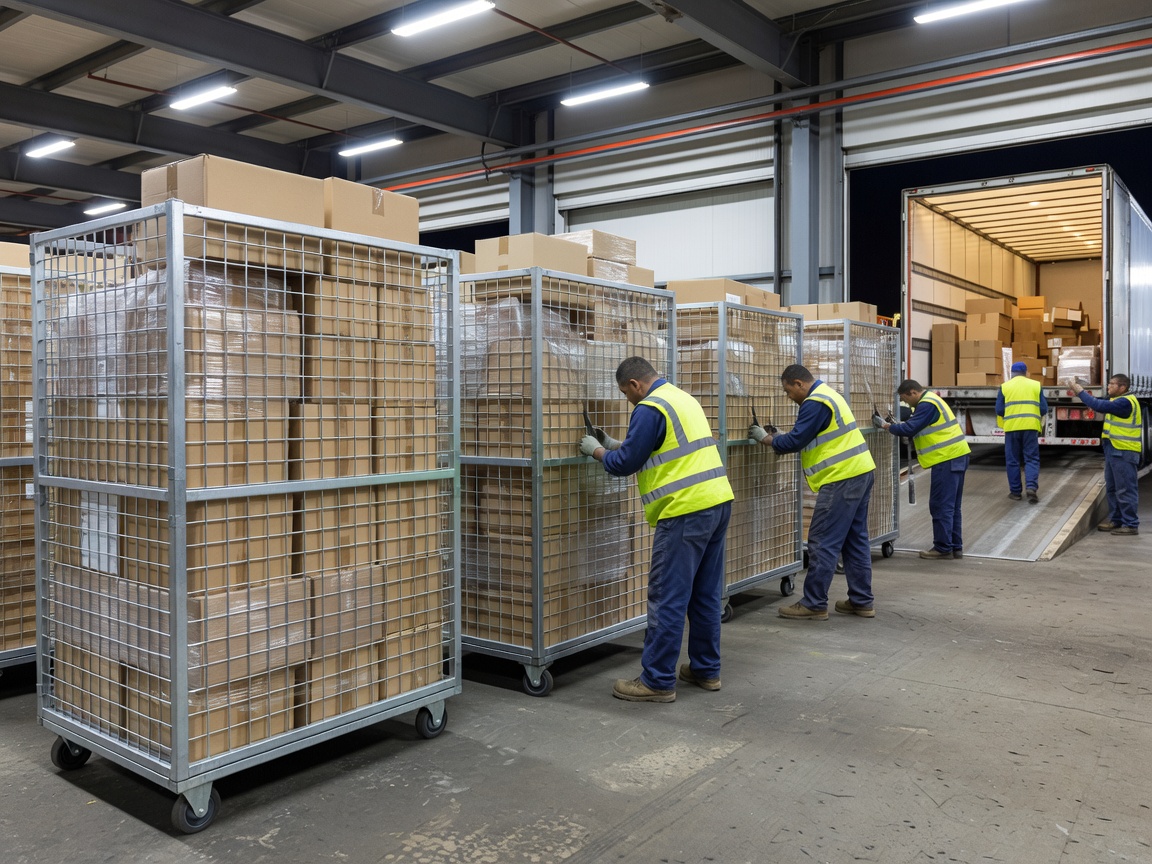
When orders exit the pack line, parcels must be segregated by destination carrier and sorting hub. In the Baltic region, couriers collect sorted cages rather than loose packages. Staging lanes on the warehouse floor are marked with high-visibility floor paint matching each carrier linehaul schedule.
Prior to trailer loading, warehouse staff perform an electronic manifest closeout. The software transmits an Electronic Data Interchange (EDI) manifest file to the carrier containing every tracking number loaded into the trailer. The truck driver validates the total cage count, signs the electronic bill of lading, and the manifest switches to in-transit status.
2. The Baltic Parcel Locker Paradigm
Unlike Western European markets where doorstep courier delivery accounts for the majority of consumer volume, the Baltic market is built on automated locker networks. This dynamic shapes fulfillment in key operational aspects:
- Strict Compartment Tolerances: Locker banks have rigid physical slots. Oversized boxes result in delivery failure and immediate redirection to carrier depots, adding 48 hours to fulfillment latency.
- High First-Attempt Success: Because lockers operate 24/7, carrier first-attempt delivery success exceeds home courier delivery. Return rates due to recipient absence are substantially lower.
- Reverse Locker Drop-Off: Consumers initiate returns at identical locker terminals using automated digital return codes, ensuring reverse parcels re-enter the carrier network quickly.
3. Reverse Logistics Workflow Architecture
Returned parcels enter through a dedicated returns intake dock physically separated from forward receiving bays. This separation prevents unverified returned merchandise from mixing with brand-new supplier deliveries.
| Return Stage | Process Actions | System Verification | Average Window |
|---|---|---|---|
| Intake Scan | Scan return tracking code on outer container. | Identifies customer order number and initial RMA. | Under 30 seconds |
| Inspection & Grading | Unpack item, inspect packaging seal, test functionality. | Worker assigns condition Grade (A, B, C, or Scrap). | 1 to 3 minutes |
| Restock Disposition | Repackage, apply new SKU barcode, put away to pick bin. | Increment available stock count in WMS. | Same operational shift |
| Refund Authorization | Trigger webhook event to e-commerce storefront. | Customer financial credit released. | Automated upon scan |
4. Return Grading Classification Tiers
Returned items must never automatically revert to active inventory without standardized quality classification:
- Grade A (Pristine): Unopened factory packaging, unbroken tamper seals. Unit returns directly to primary active pick bins at full retail availability.
- Grade B (Open Box / Packaging Blemish): Product intact and fully functional, but primary manufacturer box is dented or opened. Assigned to secondary outlet SKU or refurbished stock channel.
- Grade C (Defective or Customer Damaged): Product shows physical wear, missing cables, or hardware failure. Routed to supplier warranty return pallet.
- Grade D (Scrap / Biological Risk): Hygiene items, cosmetics with broken seals, or shattered fragile goods. Documented photographically for retailer insurance and logged into physical recycling or disposal containers.
5. Mitigating Return Overhead in Online Retail
High return velocity strains warehouse labor and consumes storage capacity. E-commerce operators mitigate reverse logistics bottlenecks by:
- Pre-printing return barcodes inside outbound shipping cartons to eliminate handwriting verification errors at intake.
- Enforcing automated customer return portals that require photographic proof before high-value RMAs are authorized.
- Establishing clear liquidation protocols for Grade B goods to prevent warehouse bins from filling with non-standard stock.