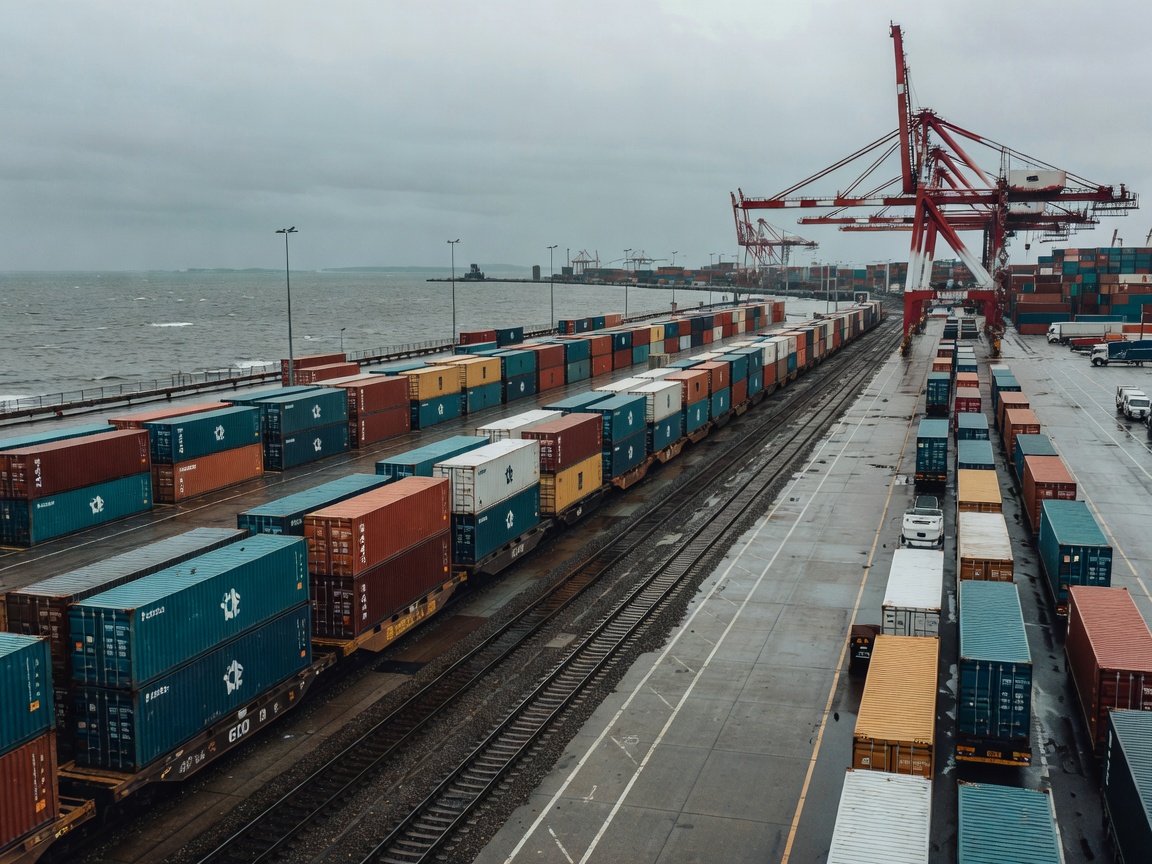
REGIONAL NETWORK
Baltic Fulfillment Regions
Strategic positioning across Estonia, Latvia, and Lithuania. Evaluates central hubs versus distributed nodes for optimal parcel locker injections and cross-border delivery loops.
Regional parcel movement demands predictable warehouse architecture. Inbound shipments transition through precise barcoding, physical pallet racks, automated pick verification, and regional carrier dispatches spanning Estonia, Latvia, and Lithuania.
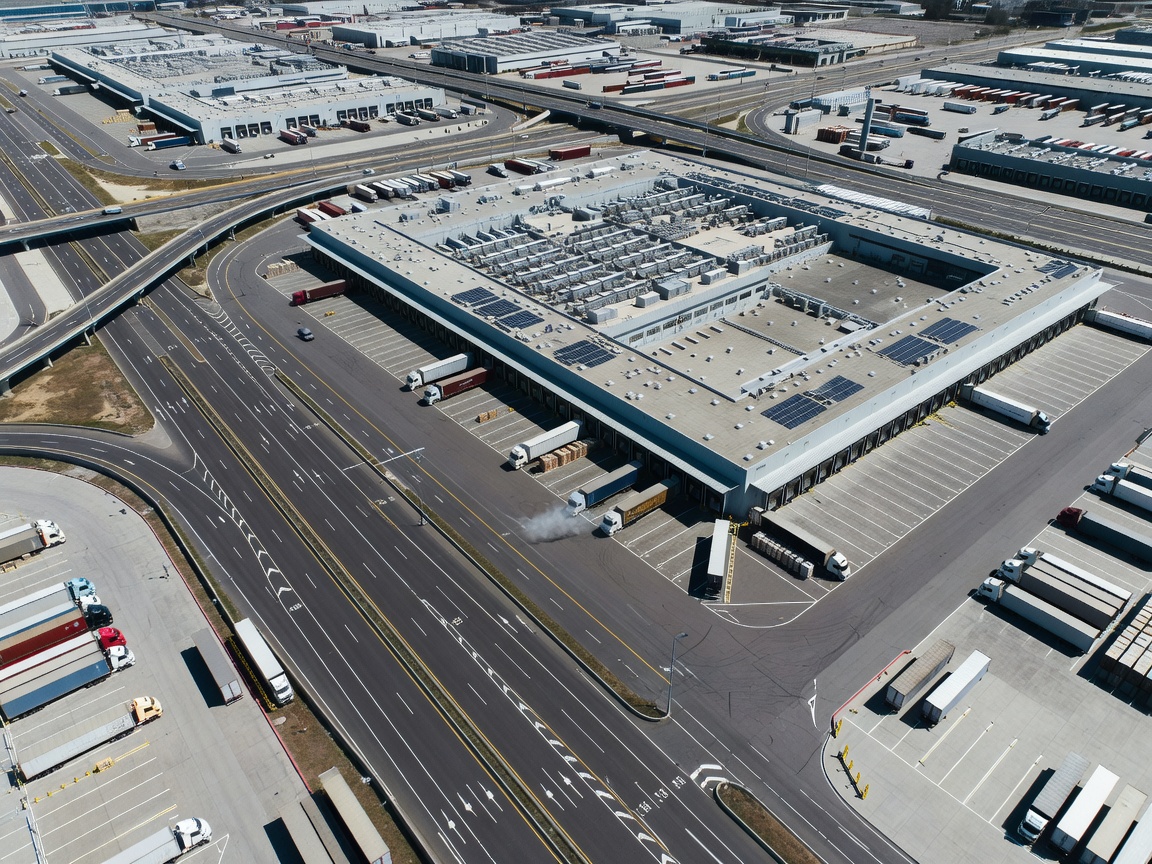
Predictable order execution relies on six sequential operations without manual bottlenecks.
Inbound master cartons are unloaded, cross-checked against shipment manifests, barcode-scanned, and inspected for physical container integrity.
Units transfer to static pallet racking or dedicated pick bins. System records accurate bin coordinates for real-time inventory visibility.
Incoming customer cart triggers automated pick lists. Operators execute wave or batch picking with optical barcode confirmation per unit.
Items assemble at packing stations. Volumetric dunnage is inserted, weight is validated, and compliant regional carrier labels are affixed.
Packages sort into scheduled pallet cages for direct linehaul injection to Baltic automated parcel locker terminals and courier linehauls.
Returned goods undergo barcode triage, grade assessment, repackaging, and immediate restocking to active available SKU counts.
Systematic architectural breakdown of warehouse networks, picking strategies, and freight integration.
Strategic positioning across Estonia, Latvia, and Lithuania. Evaluates central hubs versus distributed nodes for optimal parcel locker injections and cross-border delivery loops.
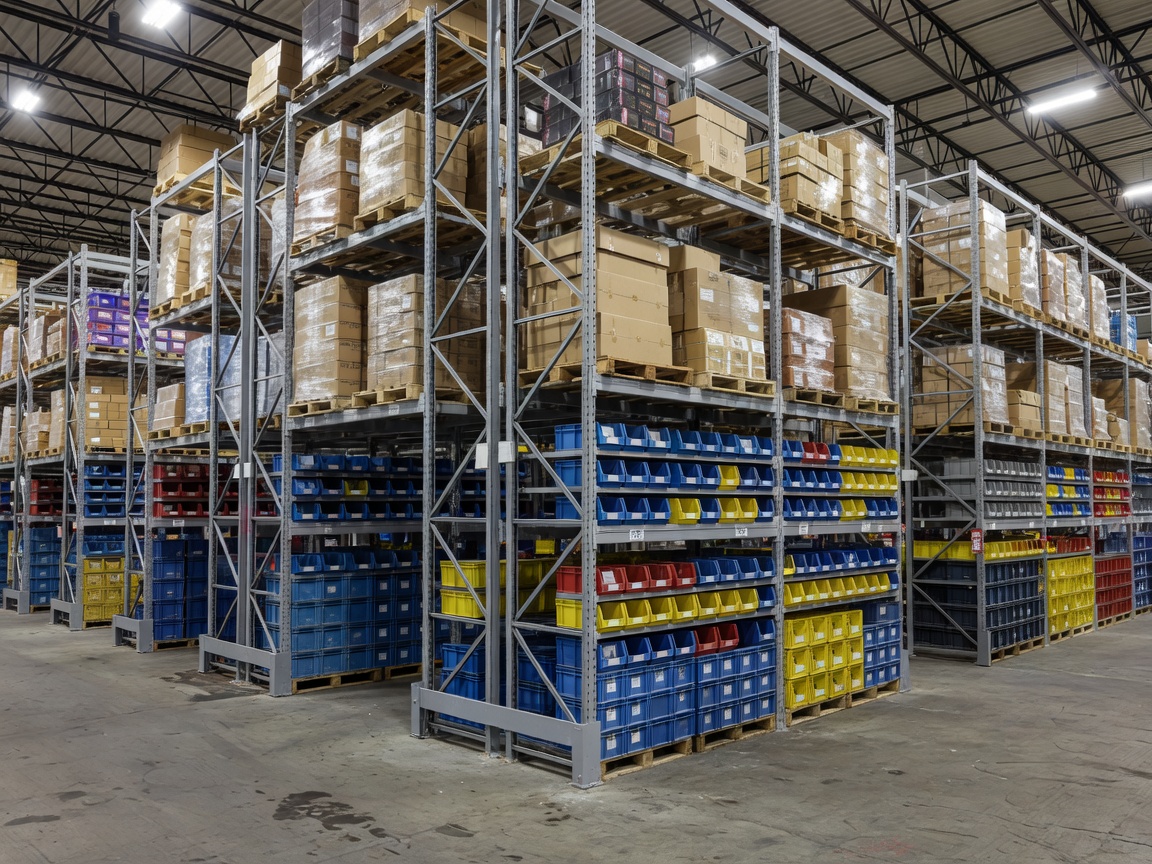
Pallet racking, dedicated shelving bins, and real-time inventory synchronization. High-density storage models compared against direct-accessibility shelf layouts.
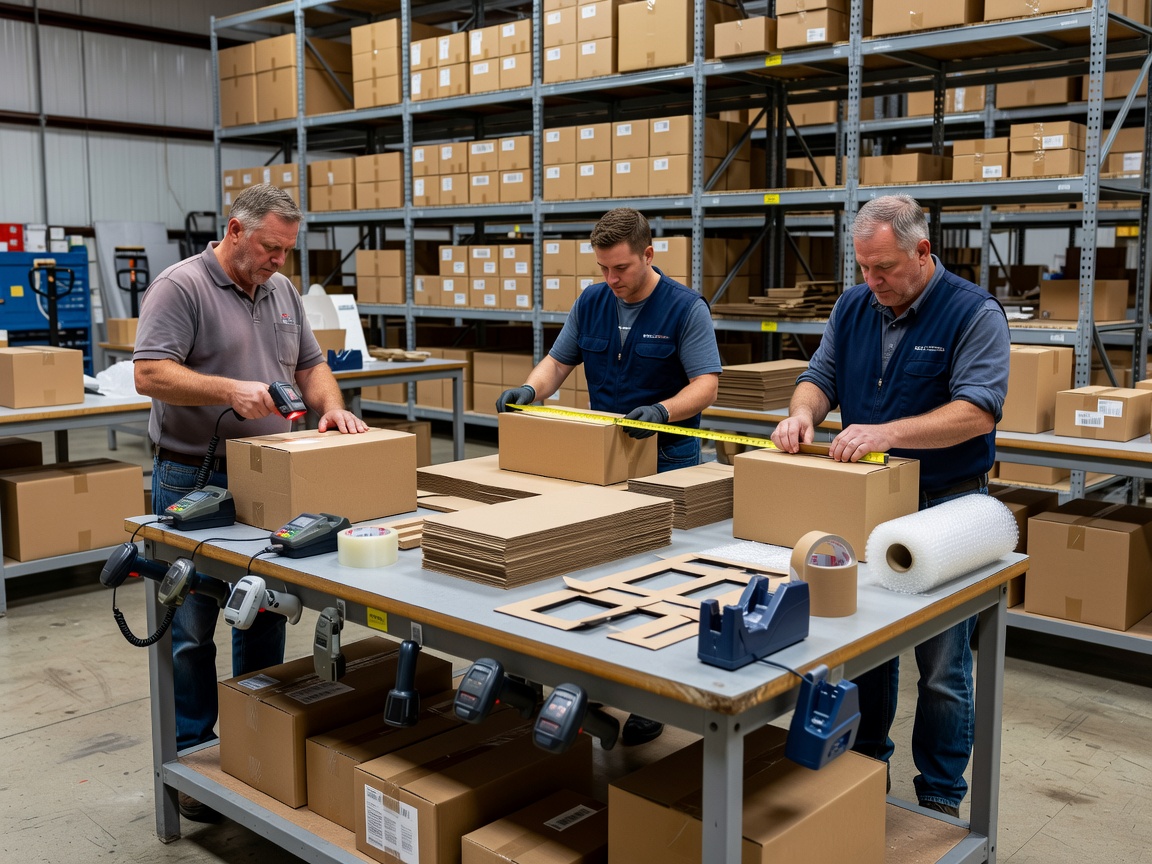
Systematic order intake, pick route optimization, and dual-point barcode verification. Batch and zone pick models matched to SKU velocity profiles.
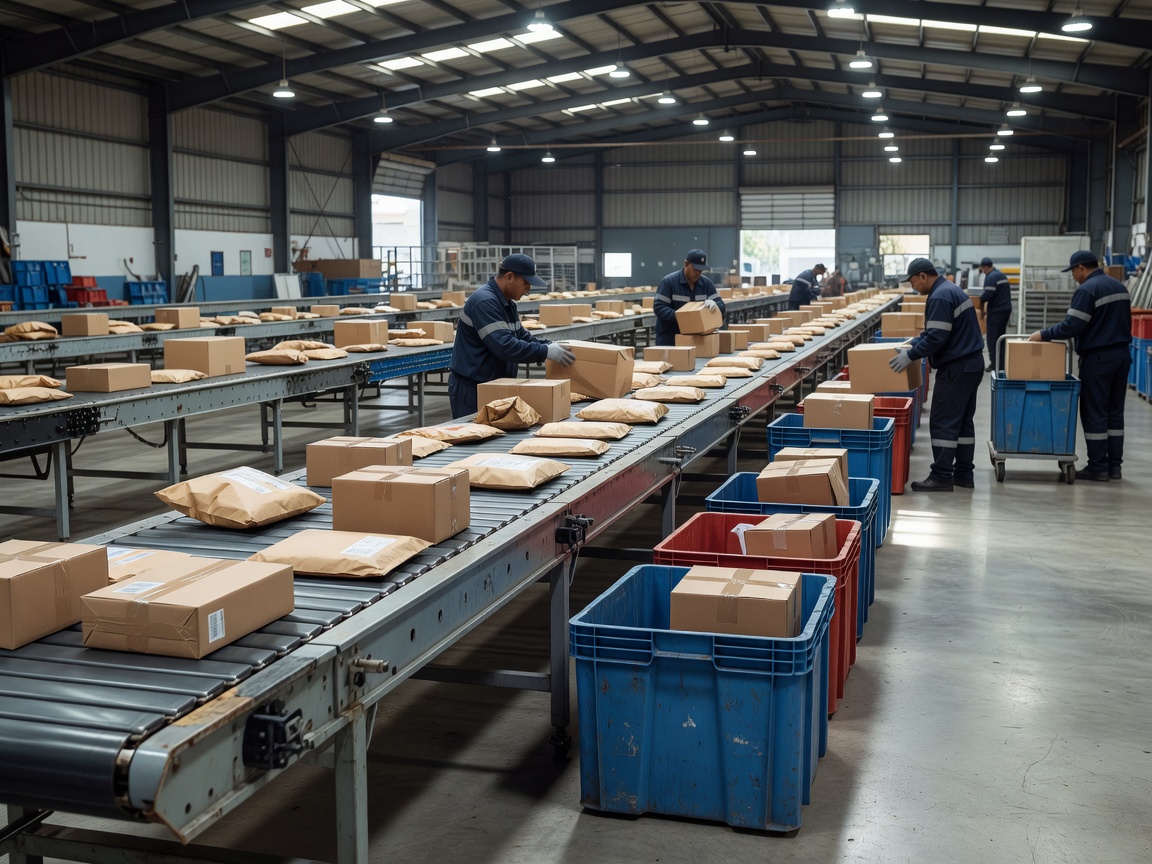
Carrier handoff protocols, parcel locker network integration, reverse logistics intake, and grade-based inspection procedures for returned online merchandise.
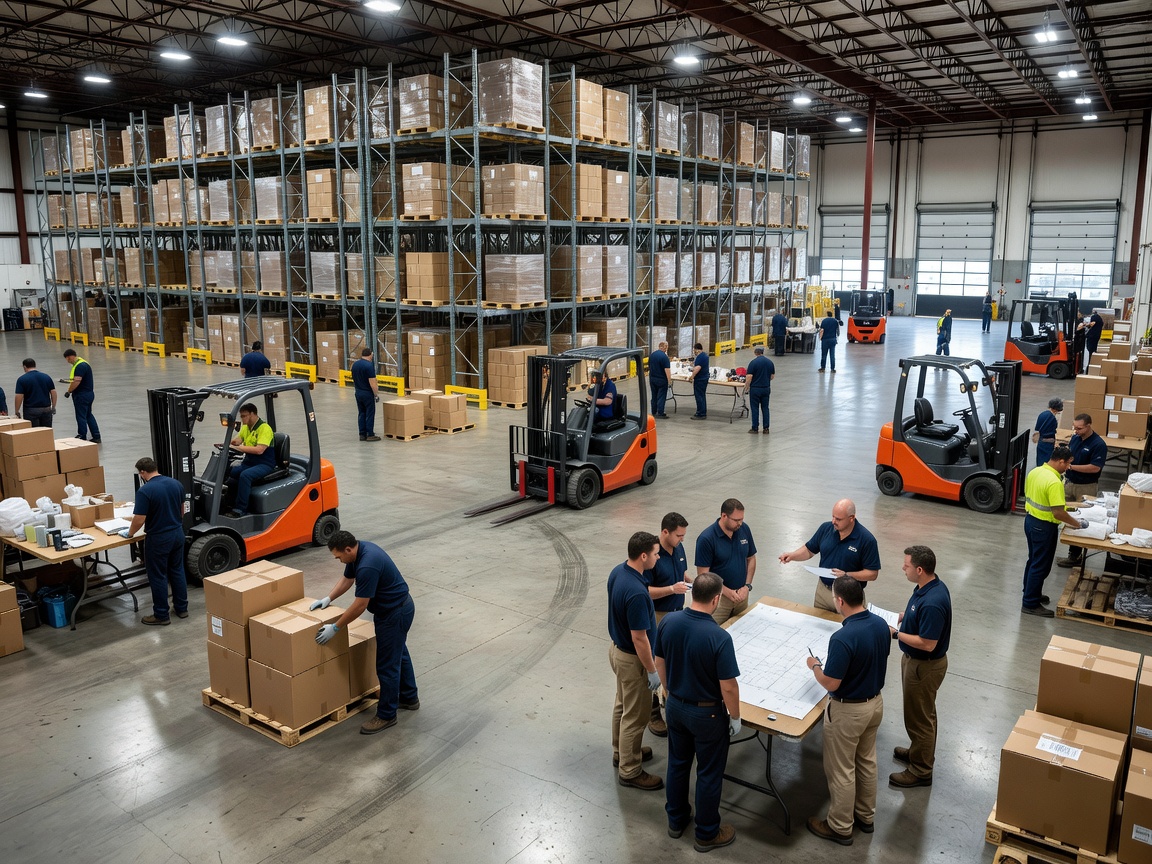
Evaluating order volume thresholds, SKU complexity, labor shifts during seasonal peaks, and calculating total cost factors across storage and handling.
Core baseline technical parameters governing Baltic warehouse installations.
Standard Euro-pallet positions configured for 800 × 1200 mm units with minimum 100 mm lateral separation for mast forklift clearance.
Optical scanners supporting GS1-128 and Data Matrix symbols at both pick bin retrieval and pack dispatch stations.
Linehaul dispatches synchronized with Baltic carrier cut-offs to enable overnight arrival at target parcel automated lockers.
Daily scheduled rolling counts targeting high-velocity velocity bins to eliminate negative inventory exceptions in shopping carts.