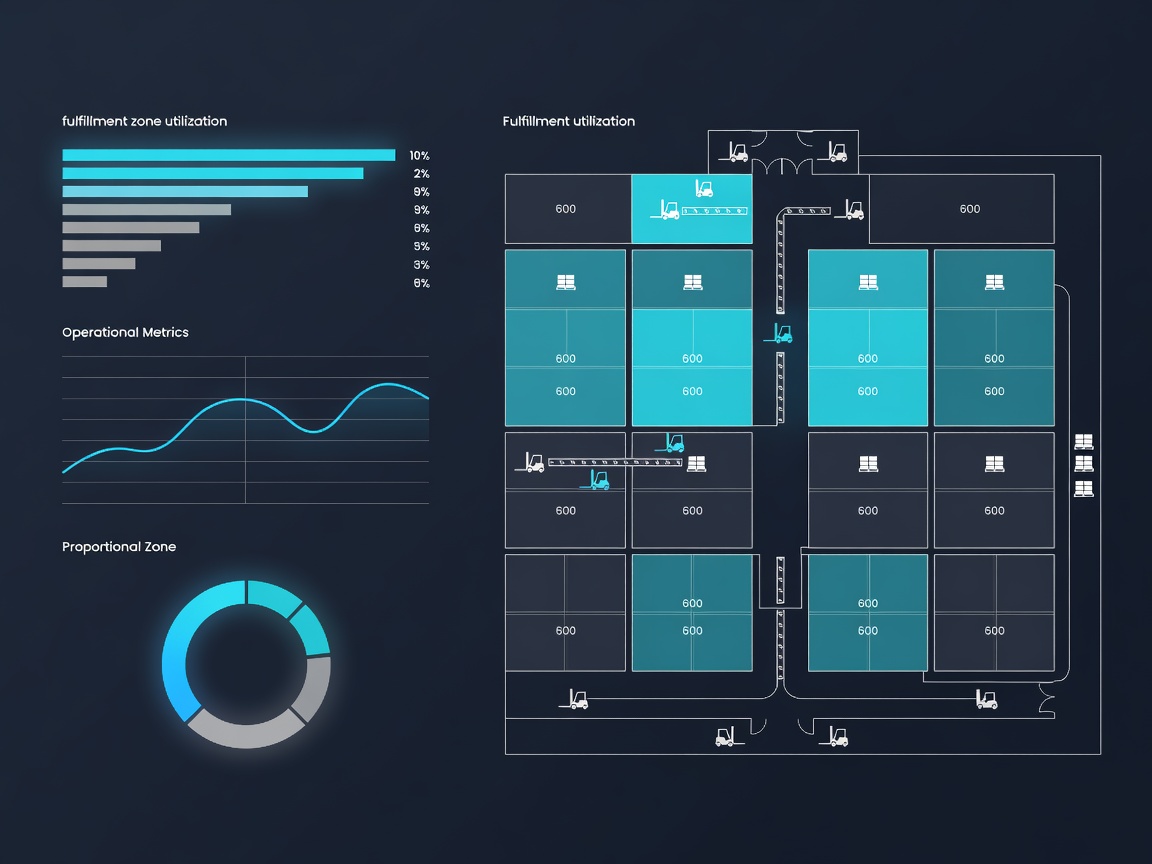
1. Strategic Fulfillment Models: In-House vs. 3PL vs. Hybrid
Growing retail businesses must periodically evaluate their physical fulfillment framework. No single model fits all stages of corporate expansion:
| Operating Model | Core Advantages | Key Limitations | Typical Scale Threshold |
|---|---|---|---|
| In-House Warehousing | Direct quality control, customized branded packaging, immediate item access. | Fixed commercial lease liabilities, equipment capital costs, idle labor during low seasons. | Early stage (< 500 orders/month) or specialized fragile luxury goods. |
| Outsourced 3PL Fulfillment | Variable pay-as-you-grow fees, volume carrier discounts, shared infrastructure. | Less packaging customization, minimum monthly billing thresholds, strict receiving rules. | Growth stage (> 1,000 orders/month) or cross-border expansion. |
| Hybrid Regional Distribution | Central high-volume items handled via 3PL, custom kitting handled at brand facility. | Dual inventory systems, split shipment overhead, multi-platform synchronization complexity. | Mature omnichannel brands with diverse product lines. |
2. Catalog Complexity and SKU Velocity Profiling
Total SKU count and order item dispersion dictate warehouse space requirements. A retailer shipping 5,000 monthly orders across only 20 active SKUs requires minimal bin shelving and can operate high-speed batch picking. Conversely, a fashion merchant shipping 5,000 monthly orders across 4,000 distinct SKUs (accounting for size and color variants) requires extensive pick aisles and sophisticated inventory slotting algorithms.
Planners must analyze:
- SKU Velocity (ABC Classification): Identify the 20% of inventory items that generate 80% of pick runs. These must occupy prime ergonomic picking levels.
- Dimensional Profiles: Calculating total required cubic meters based on master carton dimensions, safety buffer levels, and reorder cycles.
- Kitting and Bundling Requirements: Identifying whether products are shipped as received from manufacturers or require assembly, inserts, or secondary shrink-wrapping prior to packaging.
3. Understanding Commercial Fulfillment Cost Drivers
When evaluating third-party fulfillment contracts or budgeting internal facilities, operators encounter seven fundamental cost categories:
- Inbound Receiving Fee: Billed per inbound pallet, master carton, or individual unit scanned and inspected at receiving docks.
- Monthly Storage Fee: Calculated per standard Euro-pallet position or per cubic meter of pick shelf space utilized per month.
- Base Pick Fee: Fixed charge for retrieving the initial item in an order.
- Additional Pick Fee: Discounted incremental fee for second, third, and subsequent items in a multi-unit order.
- Packaging Material Fee: Charge per shipping box, mailer bag, void-fill dunnage, and printed delivery note.
- Outbound Carrier Postage: Pass-through freight charge based on parcel weight, volume dimensions, and destination country locker network.
- Reverse Logistics Handling Fee: Charge per returned parcel intake, inspection, grading, repackaging, and stock re-entry.
4. Seasonal Peak Management and Labor Scaling
Q4 holiday peaks, Black Friday surges, and spring promotional events generate volume spikes up to 400% above baseline monthly averages. Without advance planning, facilities face severe order backlogs and missed carrier cutoff times.
Operational defenses for peak surges include:
- Staged Replenishment: Pre-packing high-probability single-item promotion orders prior to event release to allow immediate label application and bypass standard picking queues.
- Cross-Docking Fast Movers: Routing incoming supplier shipments directly from receiving docks to dispatch packaging stations without shelving put-away.
- Shift Structuring: Transitioning from single 8-hour daily shifts to staggered dual shifts to maintain packing station utilization throughout operational days.